
Brand-Level WordPress — When the Work Starts Reaching Real Audiences

Real talk — there's a difference between building websites and building for brands. By this point on the path, the work had evolved. The clients were bigger. The expectations were higher. The audiences were in the hundreds of thousands. And the standard? Non-negotiable.

Key Takeaways - Data Collection System

Got a manual process eating your team's time?

When the Work Grows Wings

There’s a moment on every path when the terrain shifts and you realize — the trail ahead is different from the one behind. By this chapter, the client list wasn’t just businesses anymore. These were established brands with audiences, reputations, and serious digital presence goals. The work demanded more: more precision, more communication, more alignment between code and brand identity.

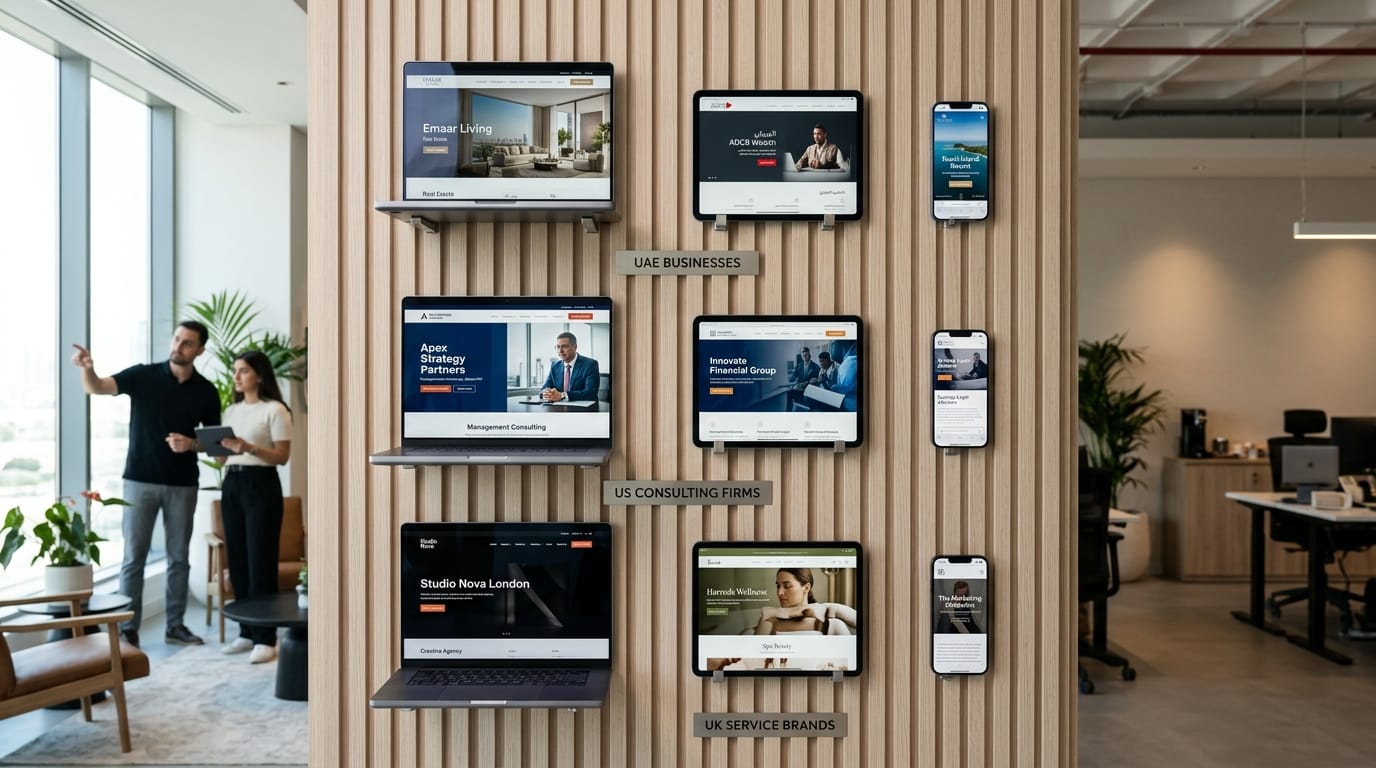
The Brands

A Wide Trail

What Brand-Level Development Actually Looks Like

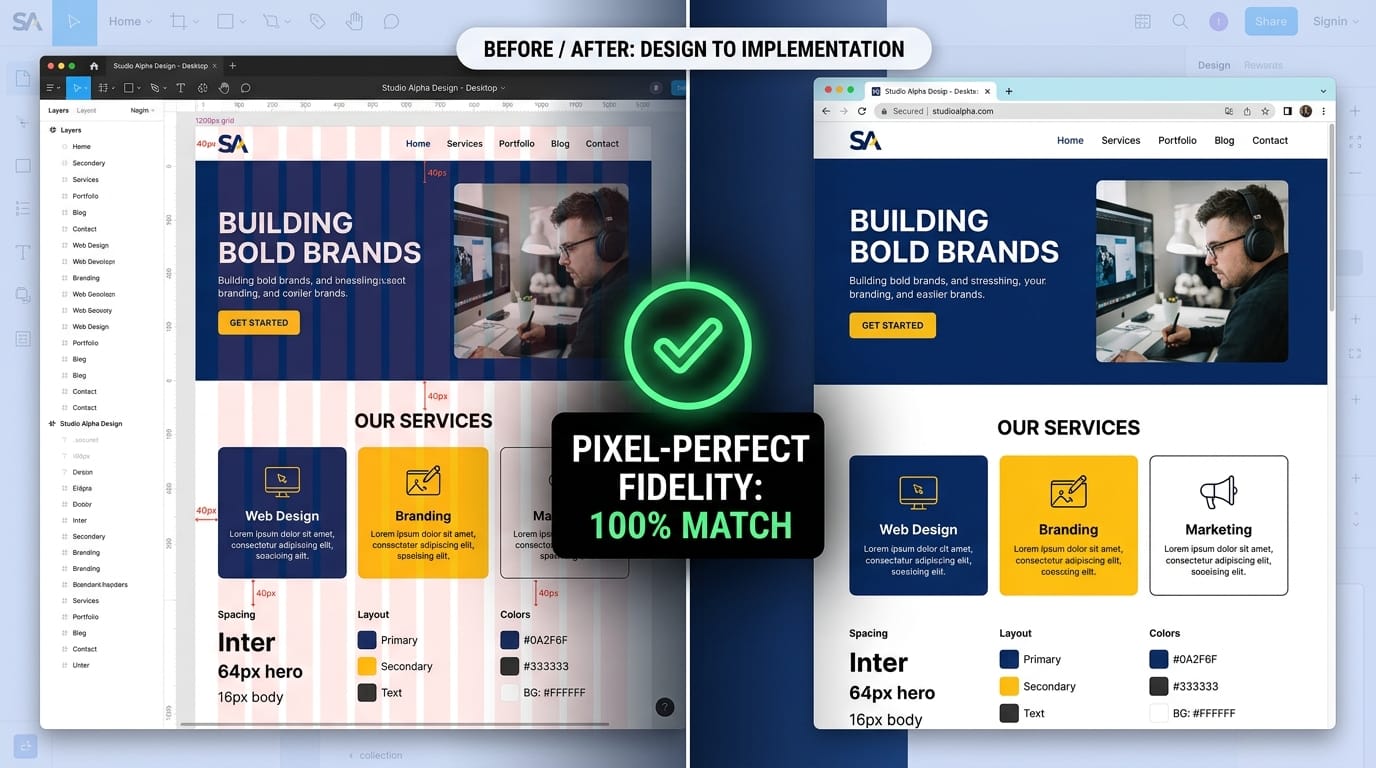
At this scale, every technical decision has brand consequences. A slow page hurts credibility. A broken mobile layout loses customers. A poor SEO structure keeps the brand invisible. The toolkit here covered TailwindCSS for utility-first, performance-optimized styling, Bootstrap for rapid-structure builds, custom WordPress theme development for brand-aligned uniqueness, CDN and caching for global delivery speed, and Technical SEO implementations that gave each brand a real shot at organic visibility.

What This Chapter Proved

Brand-level work is earned, not given. It comes from the accumulation of every project before it — every hard lesson, every late-night fix, every client call that forced clarity. By this point, the output spoke for itself: 25+ live brand websites, 40% mobile performance gains on key rebuilds, and a client satisfaction record that kept the referrals coming. The trail was wide. The work was real.

Frequently Asked Questions

How do you approach UAE or Middle Eastern market websites differently?
Language direction (Arabic RTL), cultural design preferences, bilingual URL structure, and regional SEO signals all factor in. These aren’t just translations — they’re full architectural considerations.
Speed, consistency, and scalability. Utility-first means less custom CSS bloat, faster build time, and tighter alignment with design systems — critical when working from brand-specific Figma files.
USA, UK, UAE, and Japan-based clients — all served remotely with professional processes, documented handoffs, and ongoing communication.
Attention to the details that brand managers actually care about: typography precision, animation quality, load speed on real devices, and SEO structure that supports long-term growth — not just launch day.

Table of Contents

You may Also Like