
E-Commerce That Earns โ€” WooCommerce Builds for Brands That Mean Business

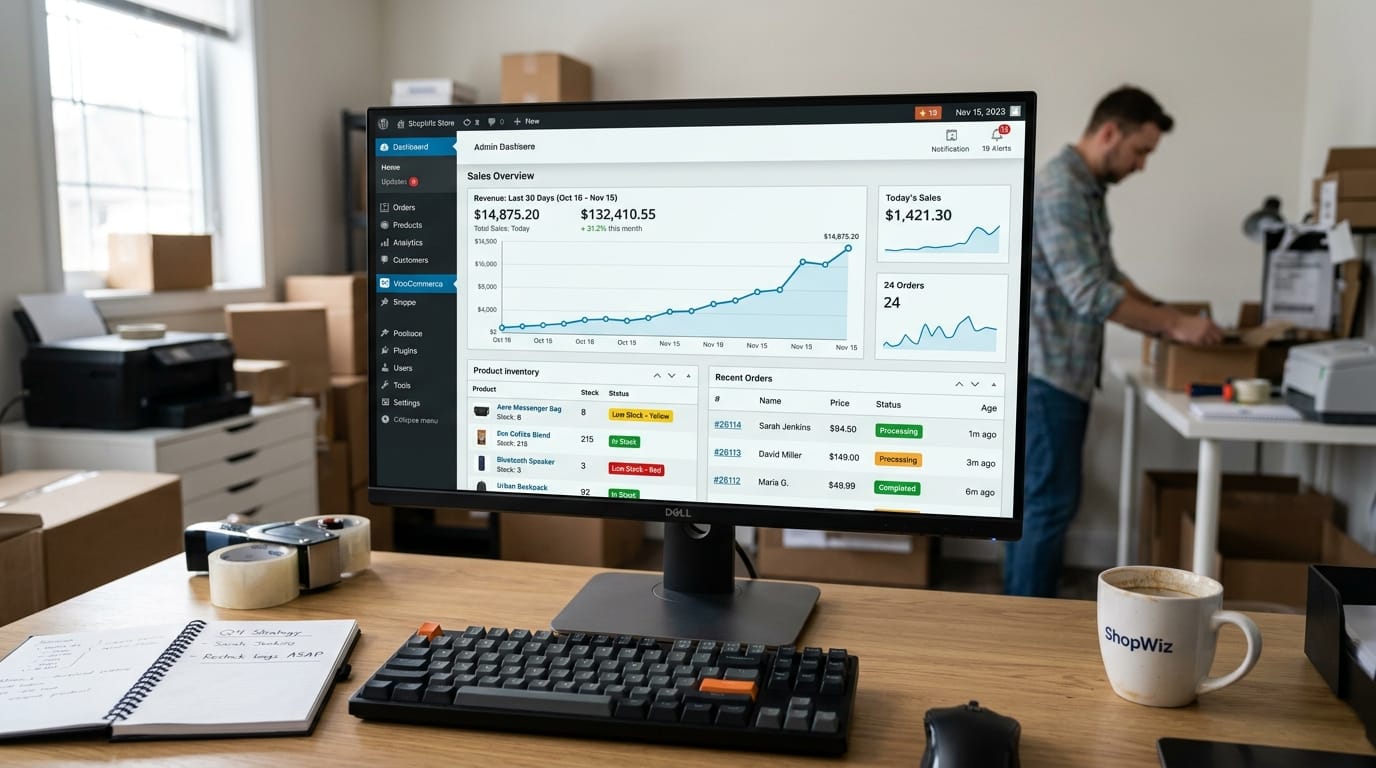
Building an e-commerce site and building an e-commerce site that converts โ€” those are two very different things. Real talk. By this chapter of the path, I wasn't just setting up WooCommerce installs. I was engineering online stores designed around one thing: getting your customers to buy, come back, and trust your brand.

Key Takeaways - Data Collection System

Ready to turn your online store into a sales engine?

Why E-Commerce Hits Different

E-commerce development is the sharpest test of a web developer’s full skillset. Design, performance, security, user experience, payment systems, and SEO all converge in a single product. Get one of those wrong and the store loses money. That’s the medicine that sharpened this chapter of the path โ€” the stakes were measurable. Every improvement showed up in revenue.

The Stores

Built to Perform

What Makes These Stores Different

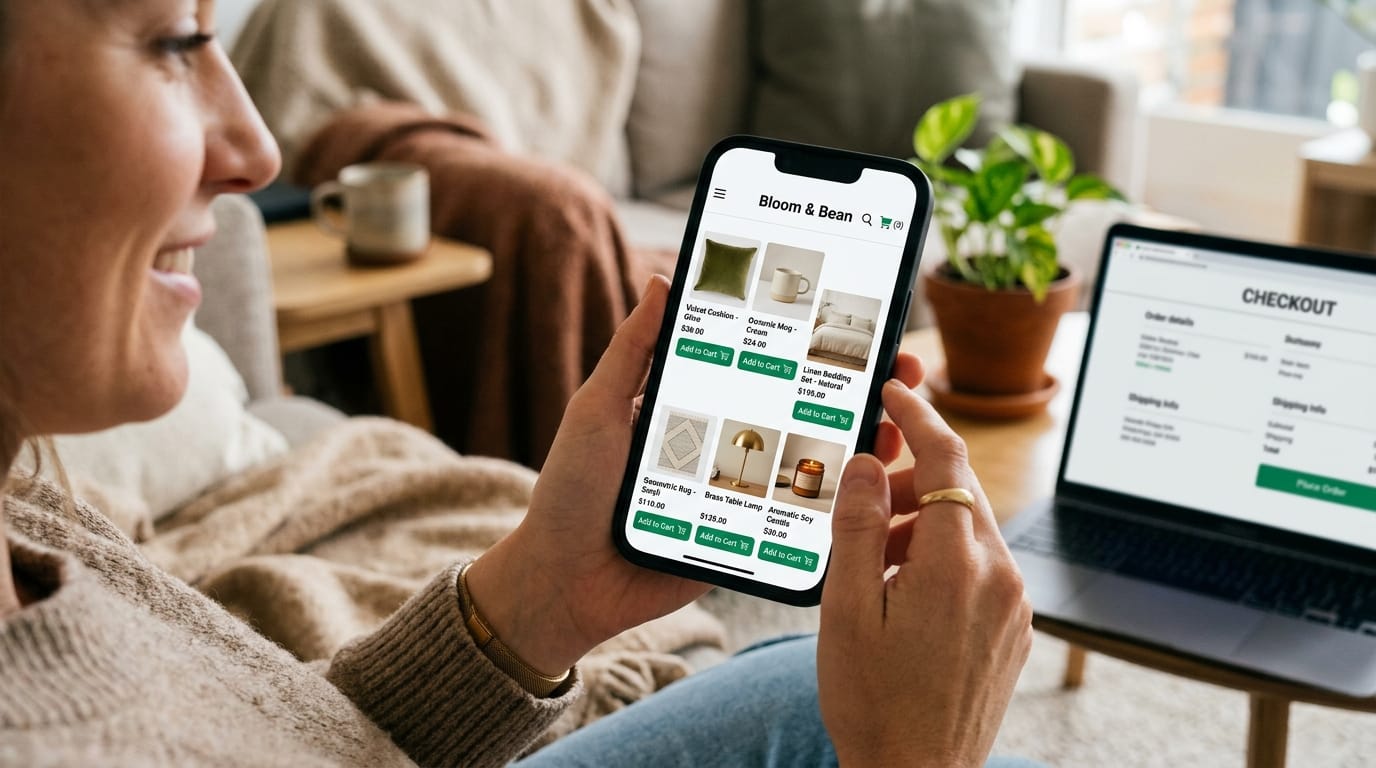
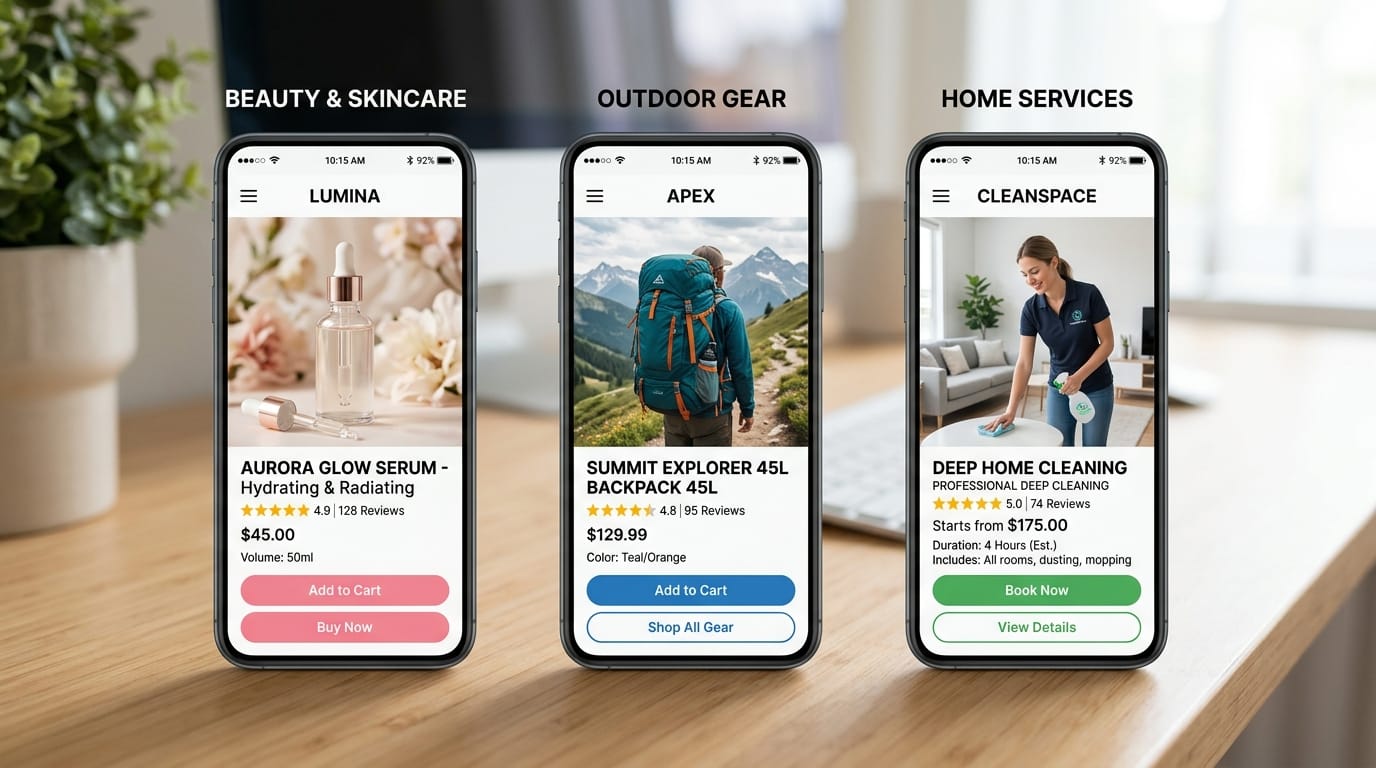
The difference between a WooCommerce install and a WooCommerce store that earns is in the details: payment gateway configuration that doesn’t leak conversions at checkout, product architecture that makes large catalogs navigable, page speed that doesn’t lose impatient mobile shoppers, and SEO that brings in qualified traffic from day one. All of that was standard on every store in this portfolio.

The Bottom Line

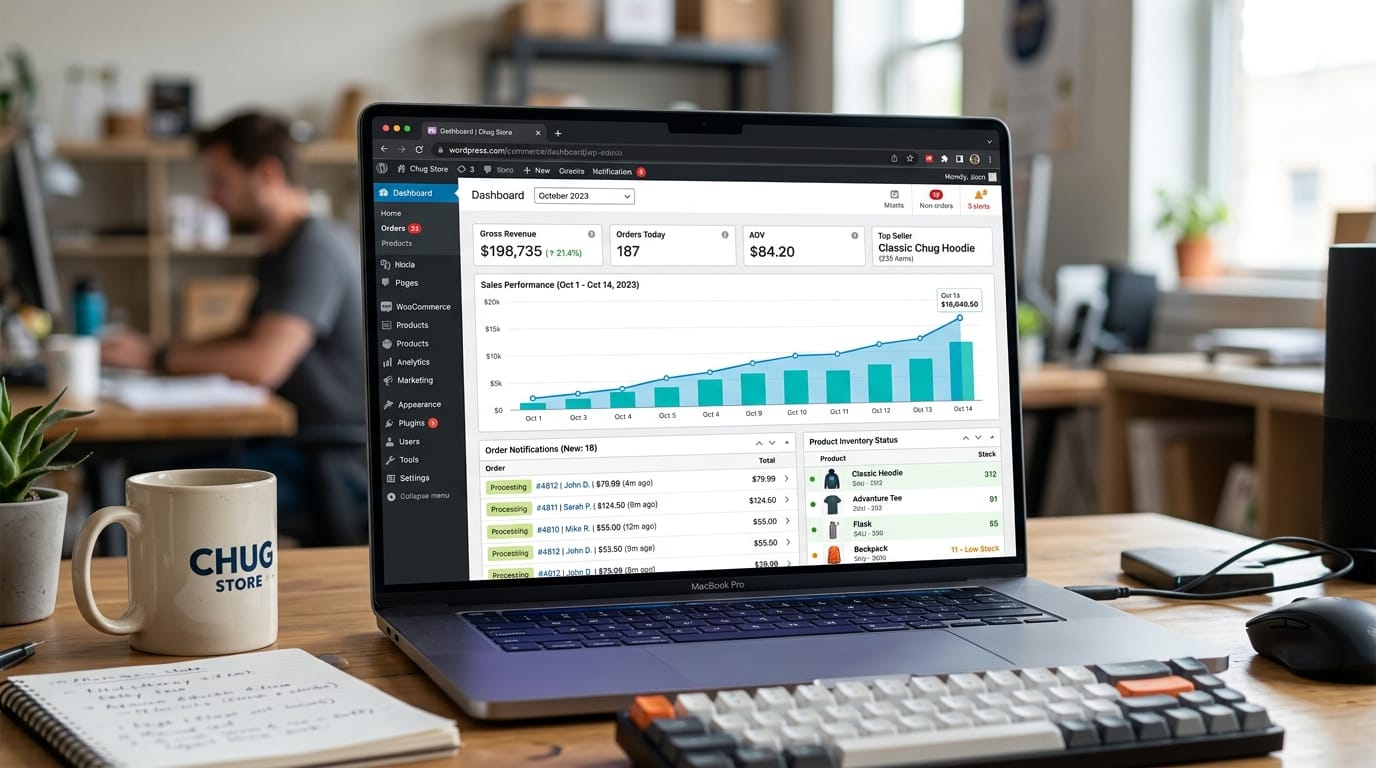
E-commerce is where web development becomes directly accountable to business outcomes. 40% sales increases. 50% cart abandonment reductions. These are real numbers tied to real design and technical decisions made on these builds. That accountability is what makes e-commerce the most honest type of web development work.

Frequently Asked Questions

Which payment gateways do you integrate with?
Stripe and PayPal are the primary integrations, along with regional payment providers as needed. Custom gateway connections via WooCommerce REST API are also achievable.
Yes โ€” product data migration, order history transfer, and design overhaul are all part of the migration service. Let’s plan it โ†’
Simplified checkout flow, mobile-optimized tap targets, guest checkout options, progress indicators, and smart form autofill. The less friction at checkout, the more completions.
Development, structure, and technical optimization are the focus. For photography, I can recommend what specifications work best for fast-loading, high-quality product display.
Clean theme or custom build, secure payment gateway, mobile-optimized checkout, basic SEO foundation, and caching/CDN setup. That’s a launch-ready store.

Table of Contents

You may Also Like