Leveling Up — 50+ Websites, International Clients, and Two Years of Real Growth at SBT Japan

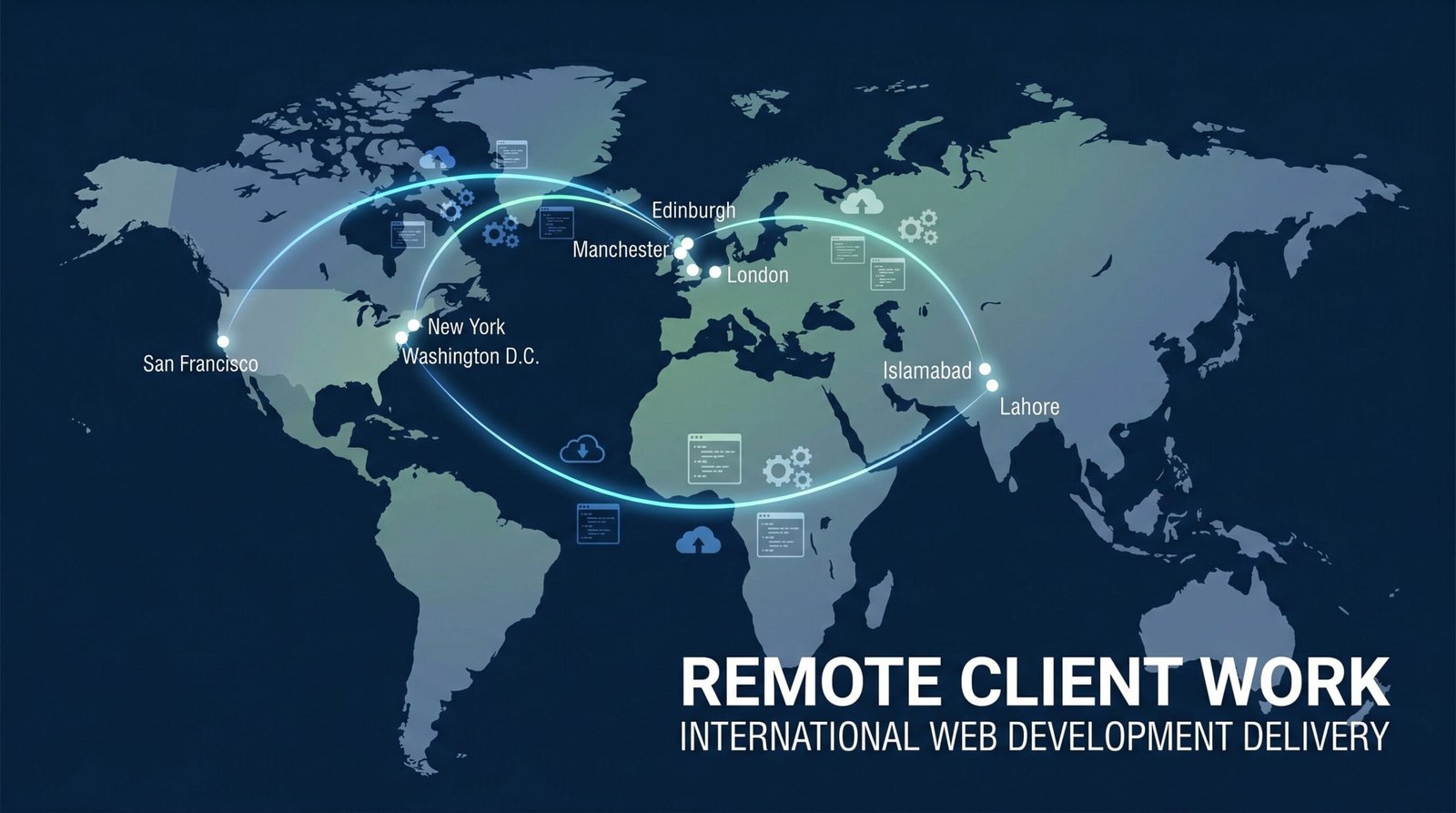
By the time I joined SBT Japan Pakistan, the path had already started to shape me. But this? This was where the pace got real. USA and UK clients, quick-service delivery, 50+ websites in two and a half years. No cap — this chapter was where I found my stride.

Key Takeaways - Data Collection System

Need a fast, secure, SEO-ready website built for your market?

New Ground

What SBT Japan Was About

March 2021. New role. New energy. SBT Japan Pakistan’s Quick Services team was a different kind of operation — lean, fast, and entirely focused on international clients across the US and UK. The expectation was clear: deliver quality, deliver fast, and hold the standard every single time. This wasn’t a training ground anymore. This was the real thing.

The team handled full-cycle website development — from first wireframe to final deployment. Clients came in with varying needs: some needed fresh builds, some needed their old broken sites saved, and some needed SEO overhauls that would actually show up in results. Every week brought a new project, a new problem, and a new solution to figure out.

The Work

Clients That Counted

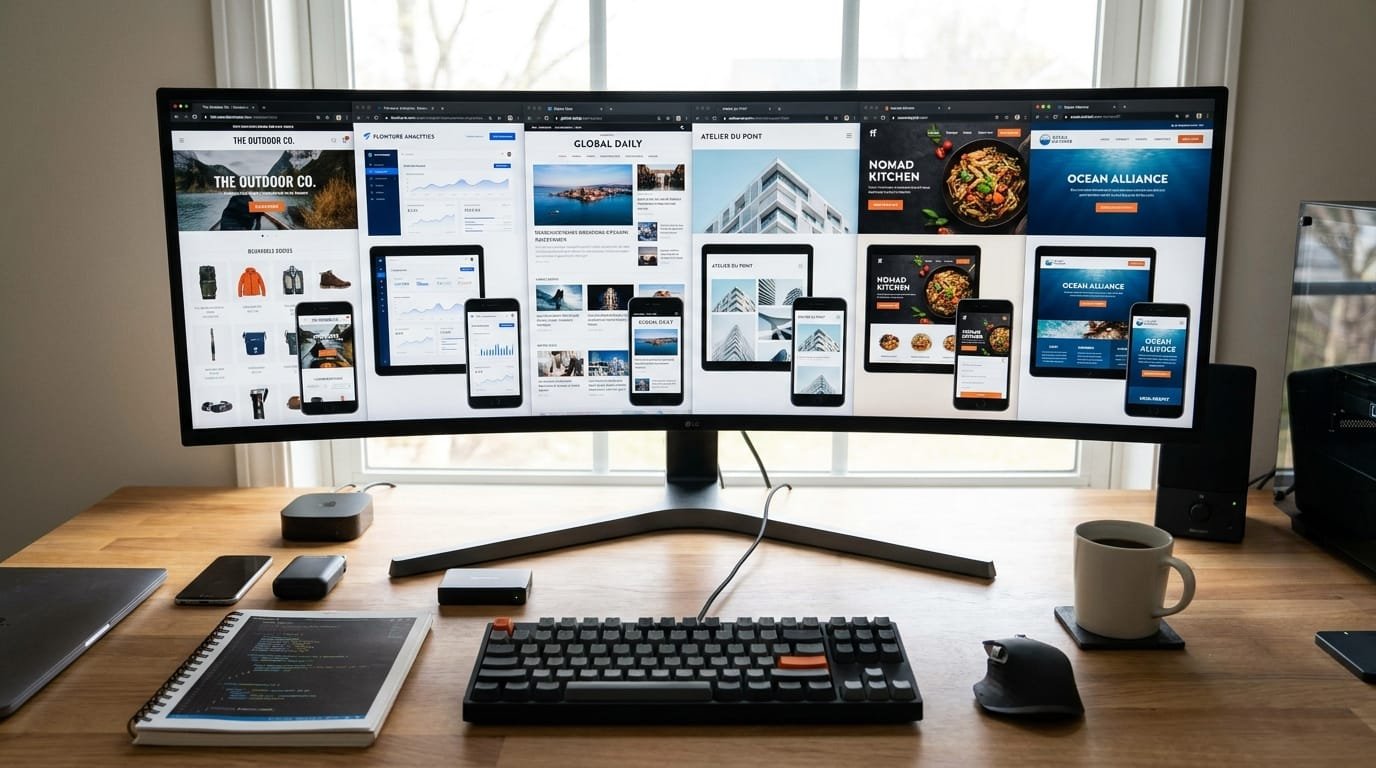
Across this tenure, dozens of live projects shipped. A few that stand out:

Rex-D — a US-based brand that required clean design execution and performance-optimized architecture. AQmdi — technical requirements met with precision. Writing Services Hub and Design Service Pro — both needed fast-turnaround responsive builds that converted cold traffic into warm leads.

Every single one of these was a full-cycle delivery: design interpretation, custom development, plugin and API integration, SEO setup, caching, CDN configuration, and final QA — shipped on deadline.

Going Deeper

The Technical Depth

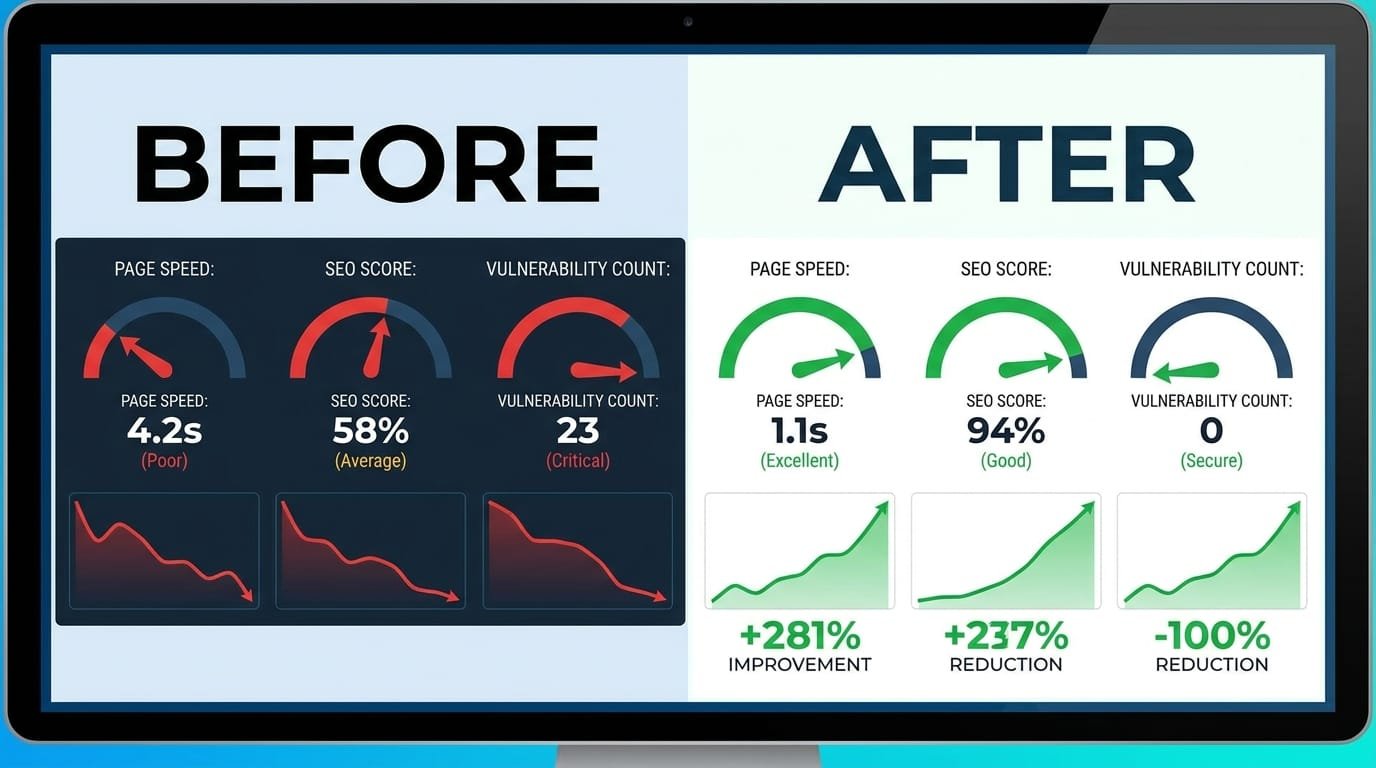
This role pushed the technical skillset into new territory. SCSS replaced plain CSS. Technical SEO — structured data, schema markup, hreflang — became standard on every build. Security hardening through Content Security Policy and WordPress best practices cut vulnerabilities by 60% across the portfolio. Legacy site migrations became a specialty — 10+ sites moved from outdated architecture to modern WordPress builds, with load times dropping by over half.

Tech stack refined here:

  • WordPress / WooCommerce — advanced custom development
  • HTML5 / CSS3 / SCSS — structured, scalable styling
  • JavaScript / jQuery — interactive, clean frontend behavior
  • PHP / Laravel — backend flexibility for custom features
  • Technical SEO — schema markup, structured data, canonical tags
  • CDN / Cache — real infrastructure-level performance gains

The Numbers

When the Trail Speaks

50+ websites. 35% average SEO improvement. 60% vulnerability reduction. 55% faster load times on migrated sites. 20% increase in mobile traffic across the portfolio. These aren’t inflated numbers — they’re the receipts of consistent, disciplined work done for real clients with real business needs. This chapter built the confidence that international-standard delivery isn’t a ceiling. It’s just the baseline.

Frequently Asked Questions

What industries did you serve during this period?
E-commerce, writing services, design agencies, automotive, cleaning, and professional services — mostly US and UK-based businesses.
Systematized workflow — every project followed the same quality gates: build, test for performance, run SEO checks, harden security, then ship. Consistent process = consistent output.
Schema markup, structured data JSON-LD, canonical tags, XML sitemap optimization, hreflang for multilingual sites, Core Web Vitals improvements, and proper heading hierarchy — the full stack.
Yes — legacy-to-modern migrations are a core specialty. Speed gains, SEO improvements, and security upgrades all come with the process.Let’s talk →
Yes — all US and UK clients were served fully remotely, with professional communication, structured delivery timelines, and documented handoffs.

Table of Contents

You may Also Like